Aircrew Parachute Harness/Pack – Vulcan & Victor Crew Seats: Aviation Harness and Pack System
Aircrew Parachute Harness/Pack – Vulcan & Victor Crew Seats: Aviation Harness and Pack System
Blog Article
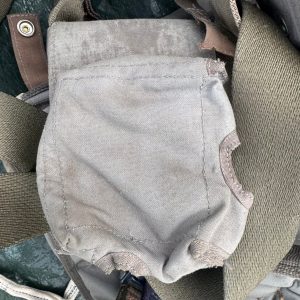
The Aircrew Parachute Harness/Pack – Vulcan & Victor Crew Seats offers collectors, restoration specialists, museums, aviation historians, and qualified equipment professionals a distinctive example of military flight safety equipment.
An Aviation Parachute Harness may form part of military, training, experimental, aerobatic, or historic aviation equipment, while a Pilot Parachute Harness requires professional assessment before any operational consideration.
Every Aircraft Emergency Parachute Harness, Aircrew Safety Harness, Flight Crew Parachute Harness, Emergency Parachute Harness, or Military Aircrew Harness requires individual inspection because age, storage, wear, and modification can affect condition.
A Parachute Harness Assembly should not be represented as complete when critical straps, fittings, packs, connectors, release components, or identification labels are missing.
The Flight Parachute Harness should remain matched with the correct parachute pack, seat arrangement, attachment hardware, and operating system.
Historic Vulcan and Victor Crew-Seat Equipment
The offered harness and pack should be identified through visible labels, part numbers, contract markings, manufacturer information, dates, inspection stamps, and known aircraft-seat relationships.
The listing should explain whether the item includes the harness only, pack only, container, straps, fittings, seat connections, release hardware, padding, labels, or additional components.
Inspecting an Aviation Parachute Harness
Webbing can deteriorate through age, ultraviolet exposure, chemicals, moisture, abrasion, mildew, heat, repeated loading, and unsuitable storage.
Qualified evaluation is essential before any safety-related classification is assigned to the Aviation Parachute Harness.
Pilot Parachute Harness Fit and Adjustment
The adjustment range should be documented when labels or original information are available.
Buckles and adjusters should move without excessive force, binding, corrosion, cracking, deformation, or damage to adjacent webbing.
Aircraft Emergency Parachute Harness Function
Historic equipment may contain obsolete, time-expired, modified, incomplete, or unverified components.
Paint, plating loss, scratches, or movement marks may provide information about previous use and storage.
Aircrew Safety Harness Applications
The intended function should be established through technical references and component markings rather than appearance alone.
The assembly should receive padded support that preserves its natural shape without stretching straps.
Military Parachute Harness Inspection
Detailed condition reporting creates a more credible and commercially useful listing.
Transparent information strengthens trust among buyers of Flight Crew Parachute Harness equipment.
Emergency Parachute Harness Inspection
Inspection should begin with the harness laid on a clean, dry, nonabrasive surface under strong lighting.
Signs of deterioration can include fading, stiffness, powdering fibers, frayed edges, stains, mildew, chemical odor, burned areas, torn stitching, corrosion transfer, and damaged labels.
Military Aircrew Harness Heritage
Responsible descriptions should distinguish verified history from seller interpretation.
The equipment should be mounted through reversible methods that avoid cutting, drilling, gluing, or permanently altering original material.
Military Aircraft Escape System Components
Missing components can limit the accuracy of a restoration or display.
Incorrect assembly for display can damage components or create a misleading configuration.
Understanding a Parachute Harness Assembly
The seller should avoid opening sealed or packed equipment without suitable expertise.
Small fittings, retainers, straps, pins, covers, or connectors may have significant restoration value.
Military Crew Survival Gear
Aircraft Crew Safety Equipment may include harnesses, parachute packs, helmets, oxygen equipment, survival gear, restraints, life preservers, and emergency signaling devices.
Original dirt, markings, or wear may provide useful historical evidence.
Preserving Aviation Emergency Equipment
Historical context can be as important as cosmetic condition.
Claims about operational readiness should require current professional evidence.
Understanding a Pilot Emergency Parachute System
Historic parachute equipment may have exceeded original service intervals or contain materials affected by age and storage.
Responsible handling protects the Pilot Emergency Parachute System and its provenance.
Historic Harness Display Planning
Reversible display methods protect authenticity and long-term value.
The harness should not be worn by visitors when age, strength, or contamination is unknown.
Military Harness Purchase Considerations
Clear intended-use classification supports responsible transactions.
Damage, missing components, mixed assemblies, heavy corrosion, cut straps, contamination, or unsupported provenance may reduce value.
Choosing Aircraft Parachute Equipment
Components should not be combined merely because they connect physically.
Careful matching preserves both the Aircraft Parachute Equipment and crew seat.
Military Aircrew Harness Buying Checklist
The seller should disclose cut straps, missing fittings, corrosion, mildew, staining, odors, repairs, modifications, opened packs, and unknown internal contents.
- Request photographs of the front, rear, sides, webbing, stitching, buckles, attachment points, pack, labels, and included loose parts.
- Inspect webbing for fading, stiffness, fraying, cuts, abrasion, mildew, stains, chemical damage, burned areas, pulled fibers, and unauthorized repairs.
- Require packaging that supports the pack and webbing without sharp folds, crushing, metal abrasion, moisture exposure, or uncontrolled movement.
Protecting Military Aircrew Equipment
Acidic cardboard, untreated wood, plasticizers, rubber, chemicals, and damp fabrics should not contact the equipment.
Routine monitoring supports long-term Aircrew Parachute Harness/Pack preservation.
Historic Parachute Equipment Presentation
Padded ties, archival supports, or reversible brackets may help maintain the display while avoiding permanent alteration.
Lighting should be limited to reduce fading and fiber deterioration, while the display case should protect against dust, touch, moisture changes, and accidental impact.
Protecting Aviation Safety Equipment
Maintenance of historic aircrew parachute equipment should prioritize preservation, documentation, gentle handling, and prevention of further deterioration.
Replacement webbing, stitching, buckles, labels, or hardware should not be presented as original when their status is known.
Aircrew Parachute Harness Conclusion
The Aircrew Parachute Harness/Pack – Vulcan & Victor Crew Seats may suit museums, military aviation collectors, cockpit restorers, historians, preservation specialists, and buyers seeking authentic aircrew equipment.
Buyers should request detailed photographs, accurate condition descriptions, complete package inventories, secure transaction terms, Aircrew Safety Harness protective shipping, and specialist review where appropriate.
Whether the product is described as a Parachute Harness Assembly, Aircraft Crew Safety Equipment, Aircrew Emergency Equipment, or Pilot Emergency Parachute System, completeness and intended use should be stated clearly.
With transparent condition reporting, complete photography, secure shipping, specialist review, and controlled handling, the equipment can support a professional Vulcan or Victor crew-seat project.
Report this page